Philosophy

See the change early.
Keep the decision human.

Dynamic.ly is being built around seven beliefs about restaurant work, evidence, software, and authority.

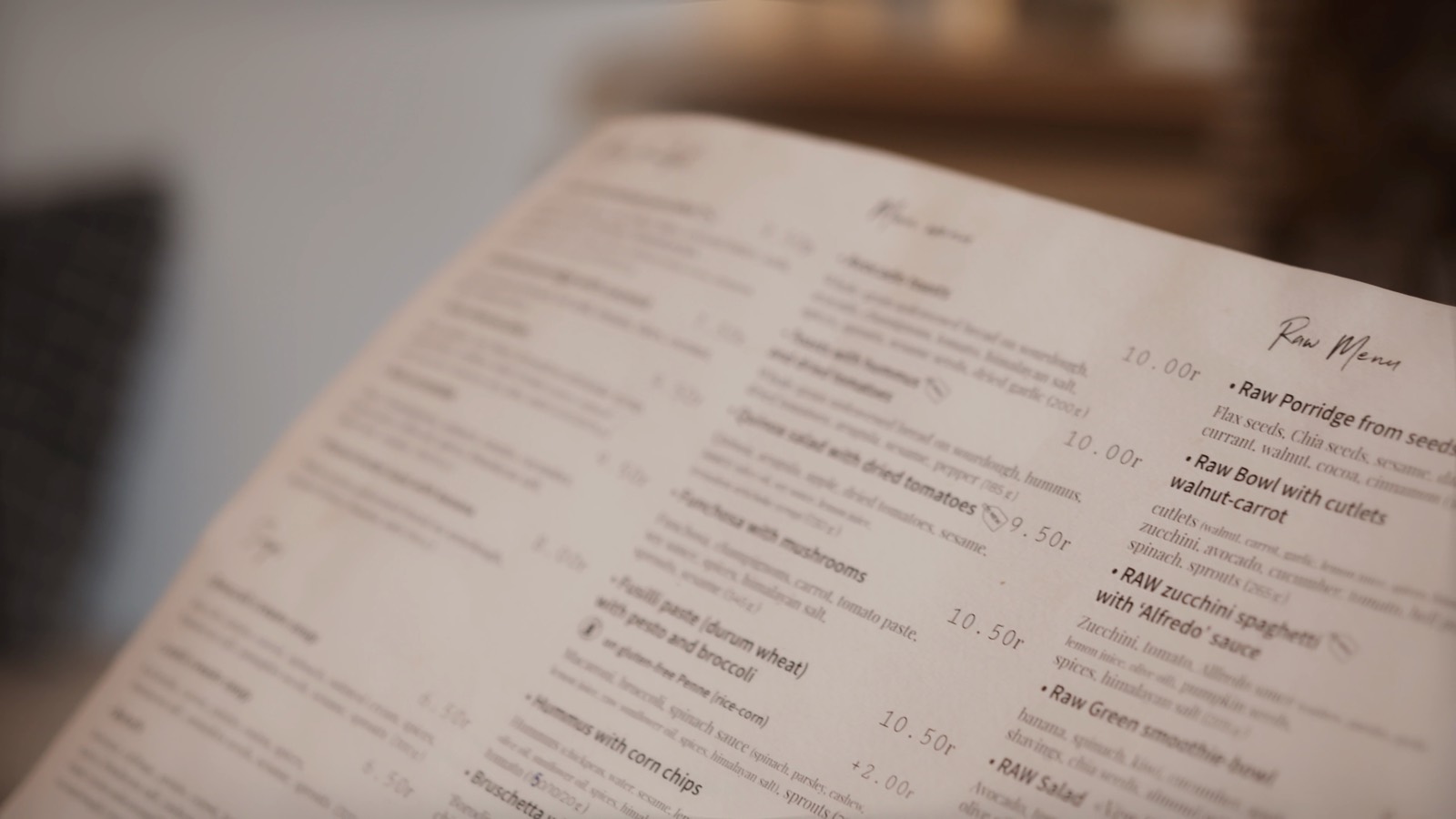
A printed menu on paper in low light
01

Start with the work already happening.

Restaurants already receive invoices, update recipes, count stock, set prices, schedule service, and review sales. New technology should connect those records to a useful decision without demanding that the restaurant rebuild itself around the software.

02

Source before interpretation.

A recommendation should begin with the record that changed. The source, review state, unit, time, and restaurant meaning should remain visible as the information moves downstream.

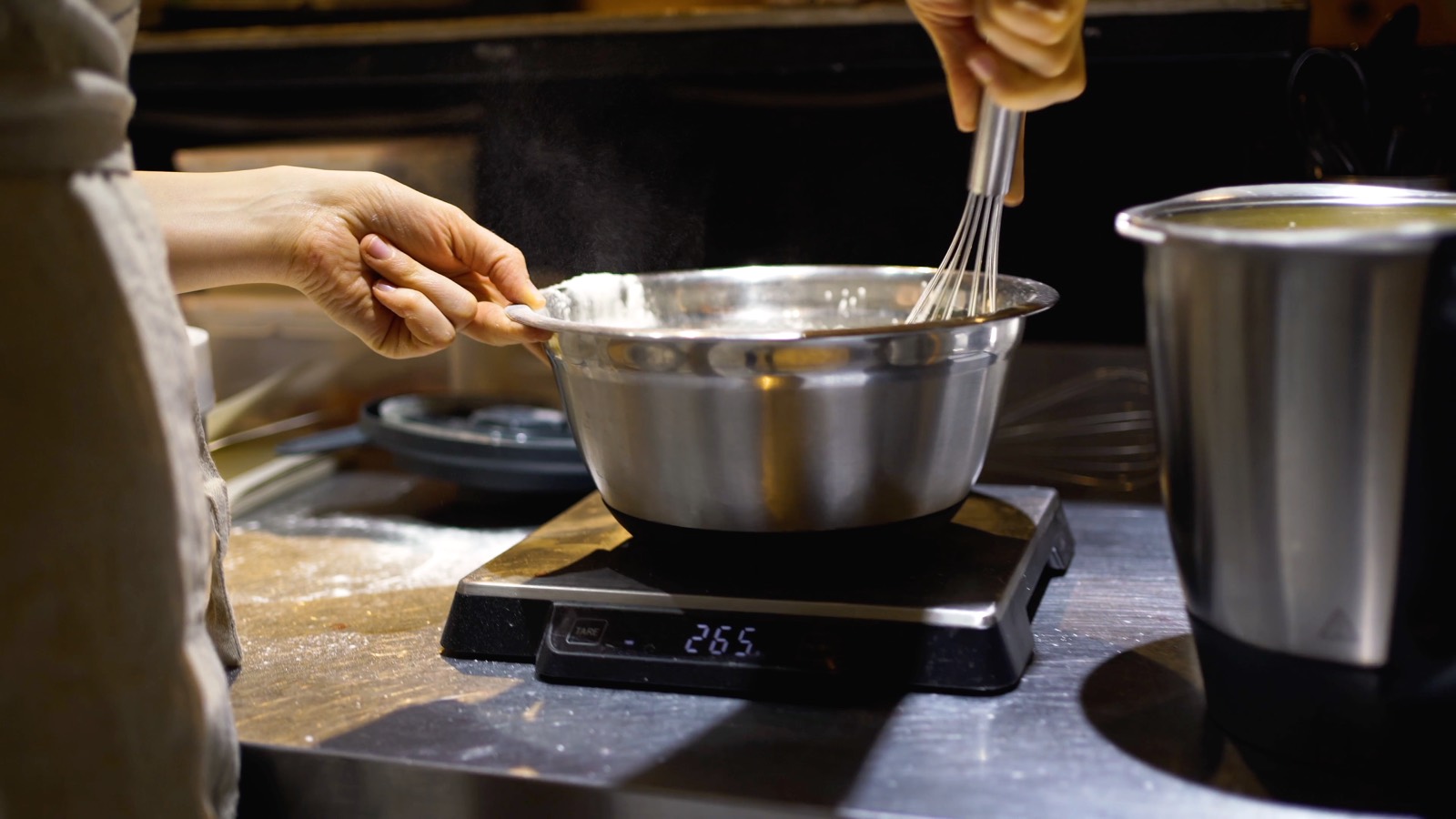
Weighing ingredients on a kitchen scale
03

Missing is a real state.

A missing count, ambiguous item, stale connection, or unavailable baseline should not be replaced with a confident guess. “We do not know yet” is often the most useful answer a system can give.

04

Calculate what the reviewed records support.

Unit costs, recipe costs, configured boundaries, and available servings should come from reviewed inputs and defined rules. AI may help read or explain the work; it should not invent the number a manager acts on.

05

Estimates should keep their name.

Inventory exposure, demand, sell-through, revenue recovery, waste avoided, and margin lift can be useful estimates. They remain estimates until the restaurant has the records and method to measure what happened.

A careful pour at the table
06

A recommendation is incomplete without limits.

The item, location, time window, quantity cap, configured floor, source records, reversibility, and stop conditions should travel with the recommendation. A vague instruction to “optimize” is not an operating plan.

07

The operator keeps the authority.

Approve, edit, reject, or ignore. Software can prepare the issue and preserve the history. It should not disguise an automatic action as human oversight.

The authority stays with the operator

Evidence can prepare the decision. It cannot own it.

Keep the expected impact separate from what the restaurant later measures. Reviewing that difference does not authorize silent changes to restaurant policy or shared model training.

See how it works